The most reliable way to lift commercial property returns is to actively add value rather than wait for the market to improve. Using idle space, refurbishing, improving energy efficiency and strengthening leases and tenant mix can all raise income and asset value, and the right commercial loan can help fund the work.
Key Takeaways
- Strong commercial property returns are rarely achieved by simply holding an asset and waiting for market conditions to improve.
- A value-add strategy makes targeted improvements that increase income potential, reduce operating costs or enhance overall value.
- Modernised assets often command higher rents, attract stronger tenants and experience lower vacancy rates.
- A well-structured lease can improve cash flow certainty and enhance the property’s valuation.
What Is a Value-Add Strategy for Commercial Property?
In commercial real estate, strong returns are rarely achieved by simply holding an asset and waiting for market conditions to improve.
The most successful investors and property owners take a proactive approach, identifying opportunities to increase income, improve tenant satisfaction, reduce operating costs and enhance the overall value of their assets.
Whether you’re managing an office building, retail centre, industrial facility, or mixed-use development, strategic value-add initiatives can significantly improve performance and unlock hidden potential.
From modernising facilities and improving sustainability credentials to optimising lease structures and repurposing underutilised space, even relatively modest investments can deliver substantial long-term rewards.
A value-add strategy involves making targeted improvements to a commercial property that increase its income potential, reduce operating costs, or enhance its overall value.
Unlike speculative development, value-add initiatives typically focus on existing assets and are designed to deliver measurable returns within a defined timeframe.
Seven Ways to Add Value to a Commercial Property
Using all the space
Many commercial properties contain areas that are not generating optimal revenue. Vacant offices, storage areas, oversized common spaces, or disused ground-floor sections can often be repurposed into income-producing assets.
For example, you could convert unused office space into flexible coworking suites, lease out underutilised storage areas, creating end-of-trip facilities for cyclists, or introduce retail or hospitality offerings in high-traffic locations.
By maximising every square metre, owners can increase rental income without expanding the building footprint.
Refurbishment and modernisation
Well-planned upgrades can significantly improve a property’s attractiveness to prospective tenants.
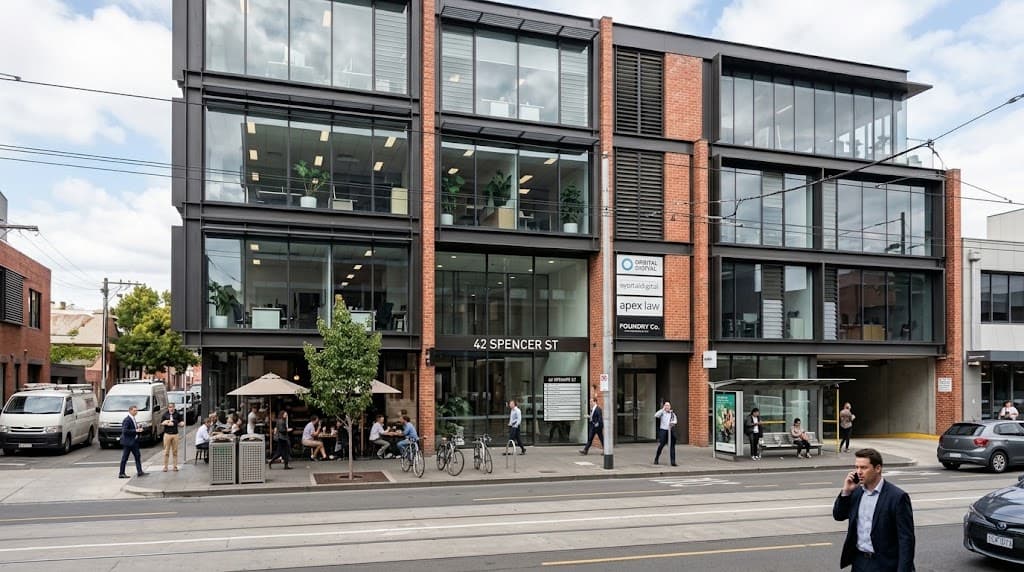
Key improvements that often hit the mark are lobby and common area upgrades, installing modern lighting and finishes, improving accessibility, installing contemporary end-of-trip facilities, and enhancing landscaping and outdoor spaces.
Modernised assets often command higher rents, attract stronger tenants, and experience lower vacancy rates.
Improving energy efficiency
Sustainability has become a key factor in tenant decision-making. Buildings with lower operating costs and improved environmental performance are increasingly preferred by occupiers.
You can improve the energy efficiency of a commercial property by upgrading to LED lighting, installing solar panels, installing smart building management systems, bringing in water-saving fixtures and setting up efficient HVAC systems.
These improvements can reduce operating expenses while supporting environmental, social, and governance objectives. In some markets, energy-efficient buildings also achieve rental premiums.
Getting the best lease outcomes
Sometimes the greatest opportunity lies not in the building itself but in the lease structure.
Property owners can improve returns through market rent reviews, recovering outgoings appropriately, extending lease terms, negotiating annual rent escalations and securing stronger tenant covenants.
A well-structured lease can improve cash flow certainty and enhance the property’s valuation.
Getting the best tenants
For retail centres, mixed-use developments, and business parks, tenant mix can have a major impact on performance.
A strategic tenant mix increases foot traffic, improves customer dwell time, reduces vacancy risk and creates business synergies between occupants.
Upgrading from weaker-performing tenants to nationally recognised brands or complementary businesses can significantly increase asset value.
Technology integration
Modern tenants increasingly expect technology-enabled workplaces. They want to see smart access control systems, high-speed connectivity, building performance analytics, digital tenant communication platforms and smart parking solutions.
Technology upgrades can improve tenant satisfaction while delivering operational efficiencies for landlords.
Development and expansion
Where planning regulations permit, adding new floor space can create substantial value. If it’s possible, you may want to look into creating additional levels, mezzanine storage areas, redeveloping the car park, building mixed-use expansions or subdividing.
Development potential is often overlooked but can provide some of the highest-return value-add opportunities available.
Actively Managing Your Commercial Property Investment
Commercial property ownership is no longer a passive investment strategy. In a market where tenants are increasingly selective and operating costs continue to rise, creating value through active asset management has become essential for long-term success.
The most profitable commercial properties are often those where owners consistently look for ways to improve performance, whether by enhancing the tenant experience, optimising lease arrangements, investing in sustainability, or unlocking new income streams.
By taking a strategic approach to value-add opportunities, investors can not only increase rental returns and asset value but also position their properties to remain competitive and resilient in an evolving market.
Fund Your Commercial Property Upgrades With Perry Finance
The greatest returns are often achieved not by buying a better property, but by making an existing property perform better.
The right value-add plan depends on the asset, the lease position and your circumstances, so weigh up the costs and returns of each upgrade before you commit.
Perry Finance helps Melbourne home buyers, property investors and businesses find the right finance for their goals. To discuss your options, contact Perry Finance today.