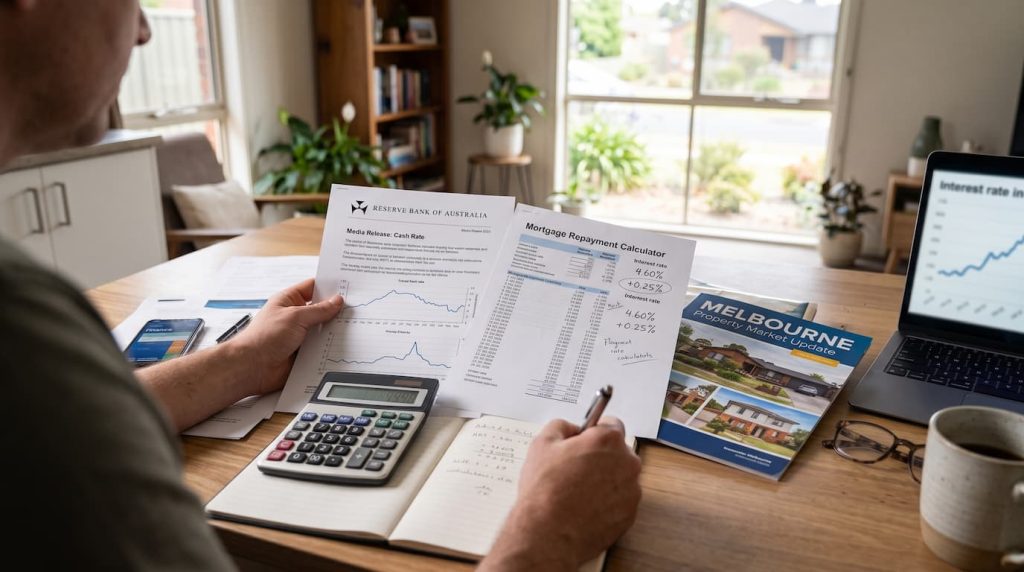
How Will Another RBA Interest Rate Hike Affect the Melbourne Property Market?
Higher interest rates from the Reserve Bank of Australia (RBA) are likely to put more pressure on Melbourne’s cooling property market by reducing borrowing capacity

Higher interest rates from the Reserve Bank of Australia (RBA) are likely to put more pressure on Melbourne’s cooling property market by reducing borrowing capacity

In Melbourne, developers can turn one old house into a multi-dwelling development by buying the right block at the right price, getting council approval and

Falling property prices across Melbourne’s west may look concerning, but some investors see the downturn differently. Lower entry prices, continued population growth and major infrastructure
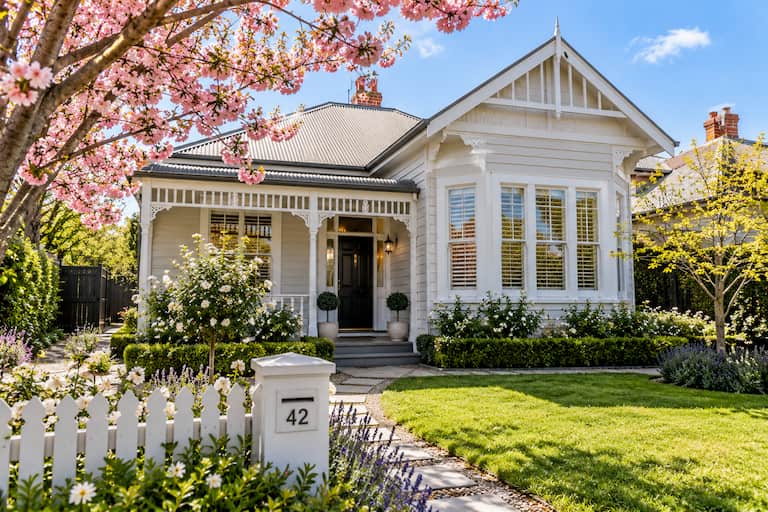
Melbourne’s spring property market is shaping up differently this year. Softer home values, moderate auction clearance rates and more negotiating room are creating buyer-friendly conditions,

Getting your property investment tax return right is about more than claiming as many deductions as possible. Melbourne property investors need to distinguish between immediate

Australia’s housing slowdown is spreading beyond Sydney and Melbourne, with Brisbane and Adelaide also recording property price declines. Recent interest rate rises, reduced borrowing capacity

It might seem logical that charging the highest possible rent will maximise the return on an investment property. In reality, setting an asking rent above
The Federal Government’s proposed 30 per cent minimum tax on discretionary trusts is drawing strong opposition from Australia’s property industry. Industry groups argue the measure

Energy efficiency is becoming one of the most important considerations for Victorian property investors. Rising energy costs, increasing tenant demand for sustainable homes and upcoming

The Federal Government’s latest housing tax reforms will significantly change how Self-Managed Super Funds (SMSFs) invest in residential property. From 10 August 2026, SMSFs will