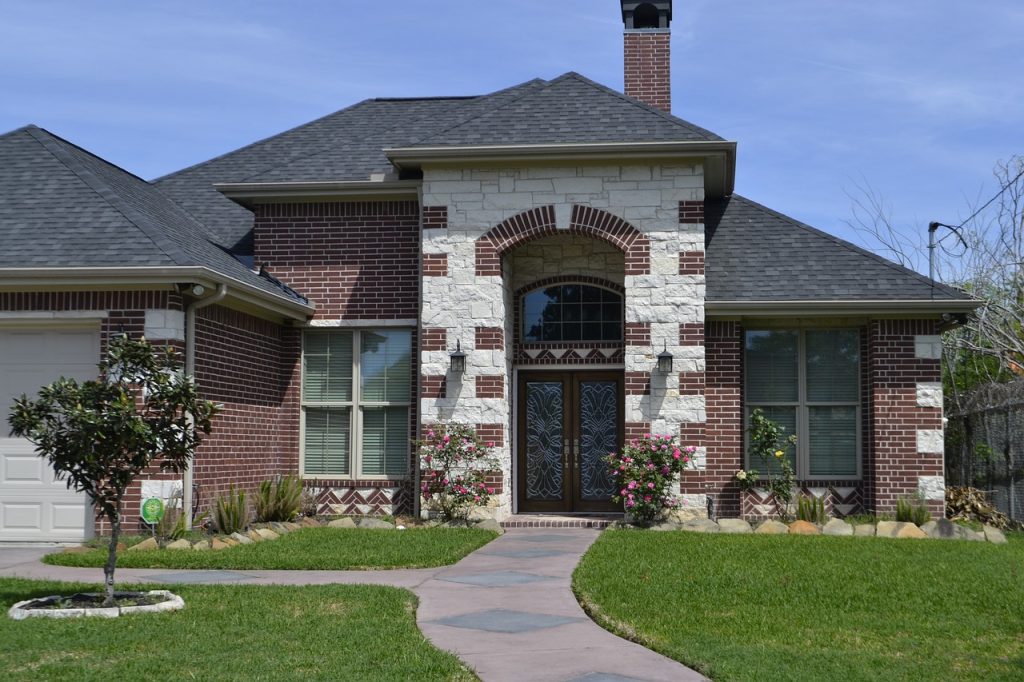

Energy efficiency is becoming one of the most important considerations for Victorian property investors. Rising energy costs, increasing tenant demand for sustainable homes and upcoming minimum rental standards are changing what makes an investment property attractive. Properties that already meet or exceed these requirements may offer stronger tenant appeal, lower future upgrade costs and improved long-term value.
If you’re purchasing an investment property, understanding how future compliance requirements align with suitable investment home loans can help you make a more informed long-term investment decision.
Key Takeaways
- Energy-efficient homes are attracting higher buyer and tenant demand across Melbourne.
- Victorian minimum energy efficiency standards will continue to expand through to 2030.
- Purchasing compliant properties today may reduce future retrofit costs.
- Better insulation and energy efficiency can help minimise maintenance and vacancy risks.
- Sustainable properties are increasingly delivering stronger long-term investment outcomes.
Why Energy Efficiency Is Becoming a Major Investment Factor
Location has traditionally been one of the biggest drivers of property investment decisions.
Today, however, energy efficiency is becoming just as important.
According to the client content, Melbourne currently commands the highest green valuation premium of any Australian capital city, with energy-efficient homes achieving premiums of up to $197,000 over comparable standard properties.
Buyers and tenants are increasingly willing to pay more for homes that are cheaper to operate, more comfortable throughout the year and better prepared for future regulatory changes.
Sustainable Homes Are Attracting Stronger Demand
Energy-efficient properties are becoming increasingly attractive across Melbourne’s residential market.
The client notes that:
- green-certified homes attract significantly more online listing views
- they typically sell more quickly
- they continue to perform strongly across suburban growth corridors including Reservoir and Melbourne’s outer growth areas.
As energy prices remain volatile, tenants are placing greater value on homes that reduce ongoing household running costs.
New Victorian Energy Standards Are Being Introduced
Victorian Rental Energy Efficiency Timeline
| Compliance Feature | Deadline | Minimum Requirement |
|---|---|---|
| Fixed Heating | In effect since 2023 | Energy-efficient fixed heater (minimum 2-star) in the main living area. |
| Ceiling Insulation | From 1 March 2027 | R5.0 ceiling insulation required at the commencement of a new lease where none exists. |
| Shower Heads | From 1 March 2027 | Minimum 4-star water efficiency rating at lease commencement. |
| Draught Proofing | From 1 July 2027 | Mandatory sealing of gaps around doors and windows. |
| Fixed Cooling | By 1 July 2030 | Minimum 3-star fixed electric cooling in the main living area. |
Better Energy Performance Can Reduce Ongoing Costs
Melbourne’s changing weather conditions make thermal performance particularly valuable.
According to the client content, properties with features such as:
- double-glazed windows
- quality insulation
- effective draught sealing
can help reduce issues including mould and damp, both of which can become expensive maintenance problems for landlords.
Improved thermal efficiency also reduces heating costs for tenants, making these properties more attractive over longer lease periods.
Stronger Tenant Appeal May Reduce Vacancy
One of the practical benefits of energy-efficient housing is stronger tenant retention.
The client notes that highly insulated homes with energy-saving features can significantly reduce household running costs.
As a result, tenants may be more inclined to:
- remain in the property longer
- renew leases
- value the home more highly
Reduced vacancy periods can contribute to more consistent rental income over time.
Investing Ahead of Future Compliance
Rather than waiting until new regulations require upgrades, many investors are choosing to purchase compliant properties now or retrofit existing investments ahead of the 2027 implementation dates.
This proactive approach may help:
- reduce future compliance costs
- improve tenant satisfaction
- strengthen long-term capital growth potential
- minimise unexpected maintenance expenditure
For investors undertaking significant property improvements, funding options such as property development finance may also support broader renovation or redevelopment strategies.
Learn More About Perry Finance
Whether you’re purchasing an energy-efficient investment property or planning improvements to an existing portfolio, Perry Finance can help you explore suitable lending solutions.
Learn more by visiting About Perry Finance or contact the team through the Contact Page.