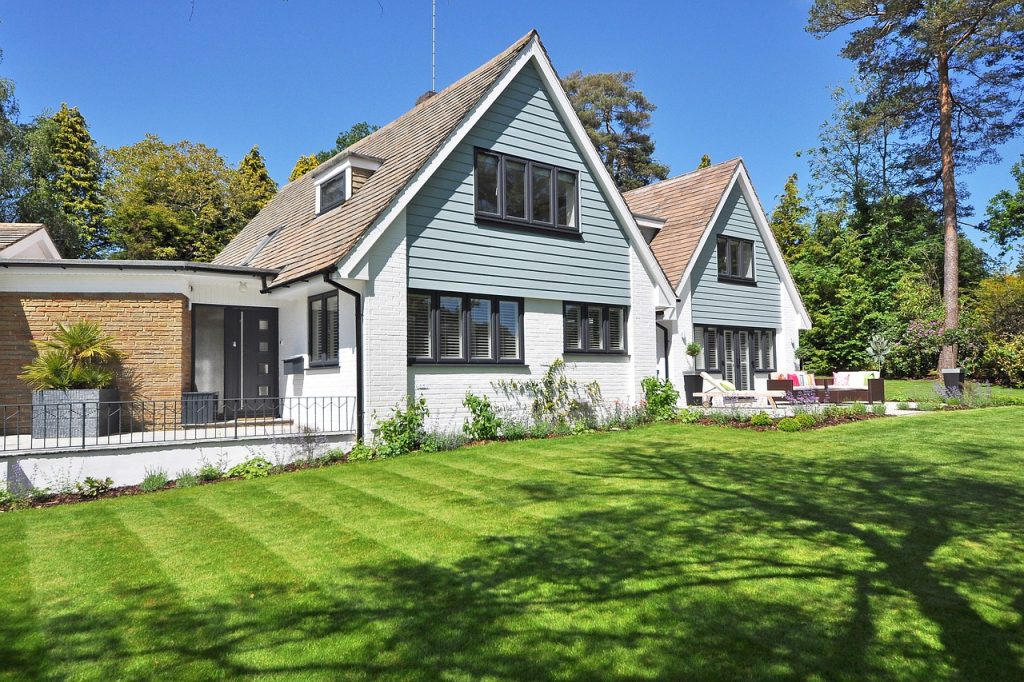
A new tax that will hit owners who leave properties vacant is the latest in a suite of measures the Victorian State Government is introducing to combat housing affordability.
The vacant residential property tax will come in to effect on January 1 and will raise around $80 million for the State’s coffers.
The idea of the tax is to free up more property for sale and reduce rents, and will be one per cent of the property’s capital-improved value rather than its overall worth.
A property will have to be vacant for over six months before the tax is applied.
The tax is aimed at Melbourne’s inner and middle suburbs and does not apply to holiday homes, city work units, deceased estates or homes owned by people who are temporarily overseas.
Premier Daniel Andrews said the tax was more an attempt to increase the amount of properties for sale or rent than to raise revenue.
According to a Prosper Australia report in 2014 there were at least 24,000 properties demonstrably unoccupied in Melbourne that year with the possibility of many more when examinations of water use were taken into account.
The tax targets investors who park money in property in places like Docklands, leave them empty and wait for capital gain.
Launch Housing’s Tony Keenan supports the tax and says the revenue raised should go straight towards social housing.
“We can’t have large numbers of vacant houses during a time of housing crisis,” he told The Age.