Land tax in Melbourne affects houses and apartments very differently due to how land value is calculated and taxed. Houses typically incur higher land tax because owners hold 100 per cent of the land value, while apartment owners only pay tax on a smaller, shared portion. As a result, houses often attract significantly higher annual tax bills, especially under Victoria’s updated thresholds and surcharges.
For investors assessing overall costs, structuring finance through options like investment home loans can help manage ongoing holding expenses alongside land tax obligations.
Key Takeaways
- Houses are taxed on full land value, while apartments are taxed on a shared portion
- Victoria’s land tax threshold now starts at $50,000, capturing most properties
- Houses are more likely to incur higher surcharges and percentage based tax
- Aggregation rules can push investors into higher tax brackets across portfolios
- Apartments may face additional risk through vacancy related taxes
The Land Value Split: Individual vs Shared Ownership
The key difference between houses and apartments lies in how the State Revenue Office calculates site value, which excludes buildings and focuses purely on land.
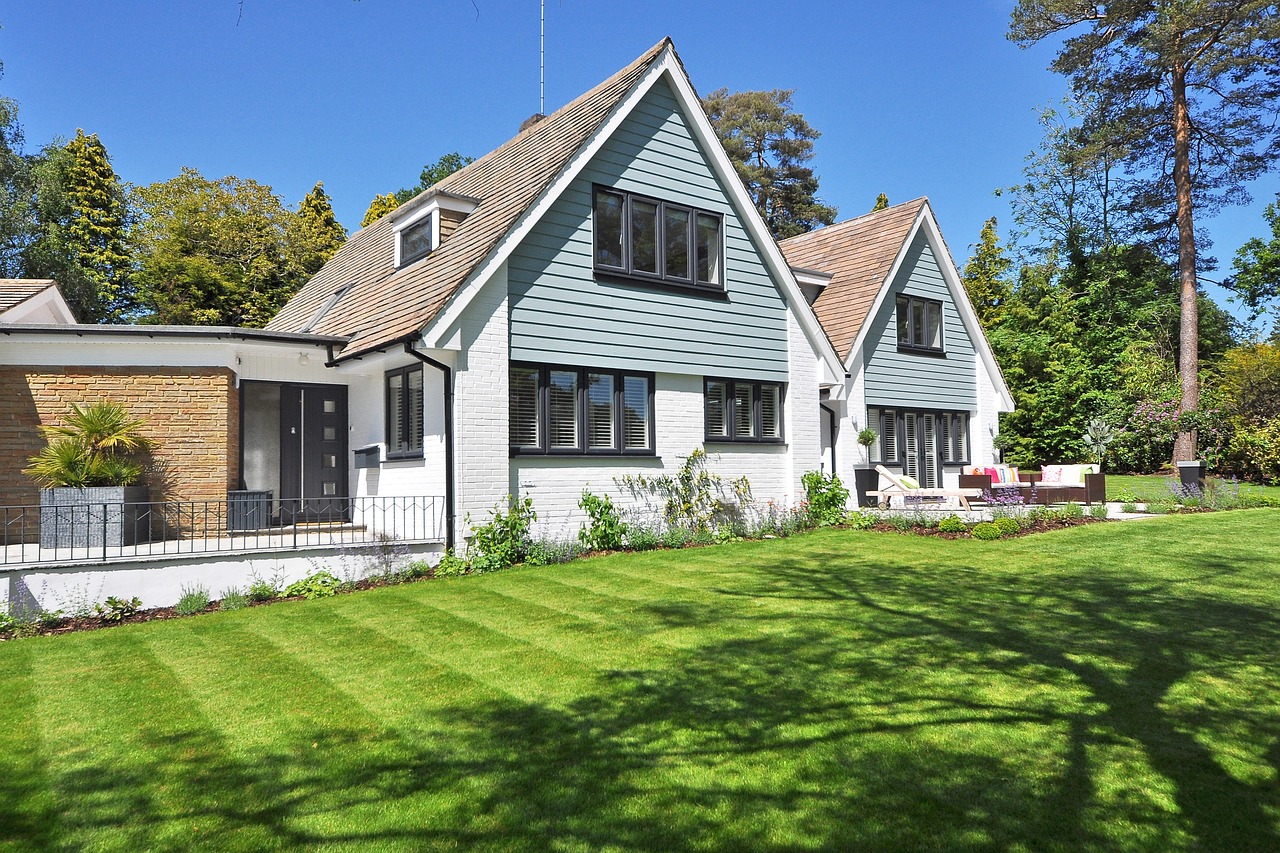
When you own a freestanding house in suburbs like Northcote or Brighton, you own the entire block of land. If that land is valued at $1.2 million, you are taxed on the full amount.
Apartment ownership works differently. In a high rise building, each owner holds only a fraction of the total land.
For example, if a $10 million block contains 100 apartments, each owner may only be taxed on around $100,000 of land value.
This shared ownership model often keeps apartment investors in a lower tax bracket compared with house owners.
Threshold Changes and the COVID Debt Surcharge
Victoria’s updated land tax settings have significantly expanded the number of investors paying tax.
The threshold has dropped to $50,000, meaning most properties now fall within the tax system.
Houses, with their higher land values, often exceed the $300,000 level, triggering additional surcharges including a fixed fee and percentage based tax.
Apartments, on the other hand, often sit between $50,000 and $300,000 in land value.
While these properties may now incur new fixed surcharges, they often avoid the higher percentage based tax applied to larger land holdings.
This difference has made apartments a more tax efficient option for some investors managing cash flow.
Understanding how these costs interact with borrowing structures such as home loans is becoming increasingly important for long term planning.
Aggregation Can Increase Your Total Tax Bill
One of the most overlooked factors in land tax is aggregation.
The State Revenue Office calculates land tax based on the total value of all taxable land you own across Victoria.
This means if you own multiple properties, their land values are combined.
For example, owning a house with a high land value alongside an apartment can push your entire portfolio into a higher tax bracket.
This “stacking” effect often results in a larger increase in tax when adding a house compared with adding another apartment.
For investors growing their portfolio, careful planning and access to structured funding such as commercial loans can help manage these scaling costs.
Vacancy Risks Affect Apartments Differently
While houses typically carry a higher base land tax, apartments are more exposed to Vacant Residential Land Tax (VRLT).
This tax applies when a property is left vacant for more than six months and is calculated based on the capital improved value, which includes both land and buildings.
Inner city apartments, where tenant turnover can be higher, are more likely to be impacted by this tax.
This means that while apartments may have lower standard land tax, their total tax burden can increase significantly if they remain vacant.
Balancing Growth vs Tax Efficiency
Melbourne investors are increasingly weighing the trade-off between capital growth and holding costs.
Houses tend to offer stronger long term growth due to their higher land component but come with significantly higher land tax liabilities.
Apartments offer lower entry costs and reduced annual tax burdens, making them more manageable from a cash flow perspective.
Choosing the right strategy depends on your investment goals, risk tolerance, and long term financial plan.
Learn More About Perry Finance
To better understand how land tax impacts your investment strategy and financing options, visit Perry Finance or speak with an expert via the contact page.