
Land tax in Melbourne affects houses and apartments very differently because the State Revenue Office calculates land value ownership differently for each property type. Houses typically attract much higher land tax bills because owners hold 100 per cent of the land value, while apartment owners only pay tax on a smaller shared portion of the site value.
For investors assessing long term holding costs, understanding financing structures such as investment home loans can help balance cash flow against increasing tax obligations.
Key Takeaways
- Houses are taxed on full land value while apartments share land ownership
- Victoria’s reduced land tax threshold now impacts most investment properties
- Houses are more likely to trigger surcharge and percentage based taxes
- Portfolio aggregation can push investors into higher tax brackets
- Apartments may face additional exposure through vacancy related taxes
Houses and Apartments Are Taxed Very Differently
For Melbourne property investors, land tax has evolved from a relatively minor expense into a major annual holding cost.
Following the Victorian Government’s COVID Debt Repayment Plan, land tax rules remain challenging for investors in 2026.
Although both houses and apartments are subject to land tax, the way the tax is calculated can produce dramatically different outcomes depending on the type of property owned.
The Land Value Split Between Houses and Apartments
The biggest difference comes down to how the State Revenue Office assesses site value, which refers to the value of the land excluding buildings.
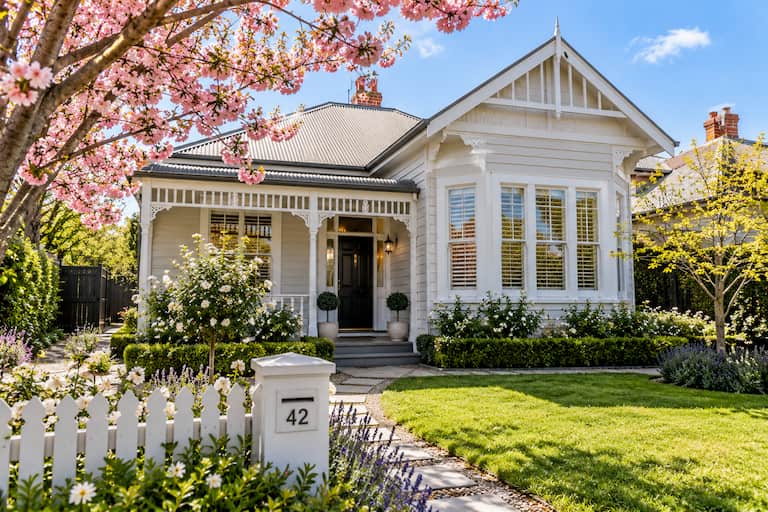
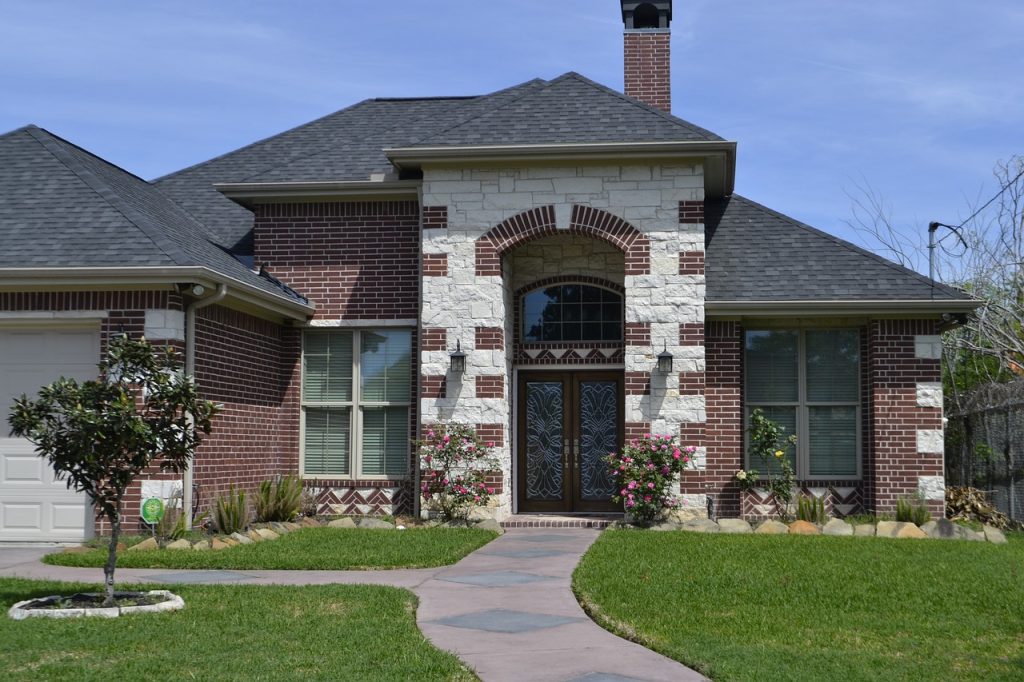
When an investor owns a freestanding house in suburbs such as Northcote or Brighton, they own the entire parcel of land. If the land is valued at $1.2 million, the investor is taxed on that full amount.
Apartment ownership works differently.
In apartment developments, investors own only a fraction of the total land value through their unit entitlement. If a building worth $10 million contains 100 apartments, each owner may only hold around $100,000 worth of taxable land value.
This shared ownership structure often keeps apartment investors in much lower land tax brackets compared with house owners.
For investors comparing asset types, funding structures through home loans can also influence long term affordability and cash flow.
Victoria’s Lower Threshold Has Changed the Market
Victoria’s land tax threshold for individuals has now dropped to $50,000, significantly lower than the previous $300,000 threshold.
Because land values in Melbourne are generally well above this level, most freestanding houses are now firmly captured within the tax system.
Many houses also exceed the higher value brackets, triggering:
- the fixed surcharge
- additional percentage based tax rates
- larger annual holding costs
Apartments often fall into the lower threshold range between $50,000 and $300,000 in land value.
While apartment investors may now face fixed surcharges that previously did not apply, they often avoid the larger percentage based taxes attached to high value land holdings.
This has made apartments a more land tax efficient option for many smaller investors.
Aggregation Rules Catch Many Investors Off Guard
One of the biggest mistakes investors make is underestimating the impact of aggregation.
The State Revenue Office combines the taxable value of all Victorian land holdings owned by an investor when calculating land tax.
For example, if an investor owns:
- a house in Geelong
- an apartment in Carlton
the land values are added together for tax purposes.
Because houses carry much larger land values, adding a freestanding house to a portfolio can significantly increase the total tax bracket applied across all properties.
This stacking effect often means adding another house results in a much larger jump in annual tax compared with adding another apartment.
Investors expanding their portfolio may also consider lending structures such as commercial loans to better manage larger property holdings.
Apartments Carry Their Own Vacancy Risks
While houses generally face heavier standard land tax, apartments are more vulnerable to the Vacant Residential Land Tax (VRLT).
This tax applies when a property remains vacant for more than six months and is calculated using the Capital Improved Value (CIV), which includes both the land and the building.
Inner city apartments, where tenant turnover tends to be higher, are more exposed to this risk.
As a result, an apartment investor who struggles to secure tenants could face a substantial additional tax bill that outweighs the standard land tax savings.
Balancing Growth Potential and Tax Efficiency
Melbourne investors increasingly face a balancing act between:
- capital growth potential
- ongoing holding costs
Houses generally provide stronger long term capital growth because of their larger land component, but they also attract significantly higher annual land tax.
Apartments can offer a lower annual tax burden and improved cash flow management, making them appealing for investors seeking affordability and lower holding costs.
Understanding this trade off is becoming essential for investors navigating Victoria’s evolving tax environment.
Learn More About Perry Finance
To better understand how land tax affects your investment strategy and borrowing structure, visit Perry Finance or speak with an adviser through the contact page.